The book is historical documentation about the African American acoustic blues in the Washington, D.C. area as told by a musician who lived and experienced it and who continues the legacy of this musical tradition to this day, as performer and educator.
Washington, D.C., may not be the first place that comes to mind when people think of traditional blues, yet it has long been one of America’s richest centers of acoustic blues. Unlike Chicago, Memphis, or St. Louis, Washington never developed a major electric blues tradition. Instead, it became a haven for the Piedmont blues—a gentle, melodic style rooted in the rural African American communities of Virginia, the Carolinas, and the Mid-Atlantic.
Sweet Bitter Blues focuses on the Washington, D.C., acoustic blues community from 1975 to 2015—because they encompass the years during which Phil Wiggins lived, shaped, and documented this remarkable musical tradition. Few people were better positioned to tell its story.
The title comes from a song written by John Cephas with lyrics by University of Maryland professor and poet Otis Williams. Recorded by Cephas & Wiggins in 1994, it is quintessential Washington blues: entirely homegrown in its creators, performers, and spirit.
The phrase sweet bitter also captures the essence of Piedmont blues itself. Musically, it is graceful, melodic, and deeply influenced by ragtime, Appalachian string music, African American folk traditions, spirituals, gospel, and early country music. Yet beneath its elegant fingerpicking guitar lines lie songs about hardship, love, betrayal, faith, violence, humor, and survival. As Dr. Julia Olin of the National Council for the Traditional Arts observed, it is “the melodic, delicate, lyrical blues of this region… It even sounds fun.” Listen only to the music and it seems joyful. Listen to the lyrics and another story often emerges.
During the Great Migration, thousands of African Americans carried this rural musical tradition north to Washington, D.C. Unlike many cities where country blues evolved into electrified urban styles, Washington largely preserved its acoustic roots. The Piedmont tradition flourished in living rooms, churches, festivals, neighborhood gatherings, and, perhaps most famously, Saturday afternoon jam sessions at Archie Edwards’ barbershop.
Although scholars have extensively documented the blues before World War II, remarkably little has been written about the musicians who kept these traditions alive in the decades that followed. This book fills part of that gap. Rather than analyzing the music from a distance, it tells the story from inside the community through one of its central figures.
The Washington blues scene never produced larger-than-life legends surrounded by myth and marketing. No one claimed to have met the devil at the crossroads, toured with the Rolling Stones, or become an international celebrity. Instead, musicians gathered to play, teach, and pass the music to the next generation. The emphasis was never on fame but on tradition.
At its heart stood a remarkable circle of African American musicians—Flora Molton, Archie Edwards, John Jackson, John Cephas, Phil Wiggins, and many others—who believed their greatest responsibility was to keep the music alive. Around Archie Edwards’ welcoming barbershop, musicians of every age, race, gender, and ability found an open door. Competition gave way to mentorship, generosity, and friendship.
This book celebrates that extraordinary community. It documents the Washington, D.C., acoustic blues scene as Phil Wiggins experienced it—from the inside—as both participant and witness. More than a history of musicians, it is the story of a living tradition and of the people who devoted their lives to carrying it forward.
Their message was simple: Carry on this music. Keep it going.
That is the purpose of this book.
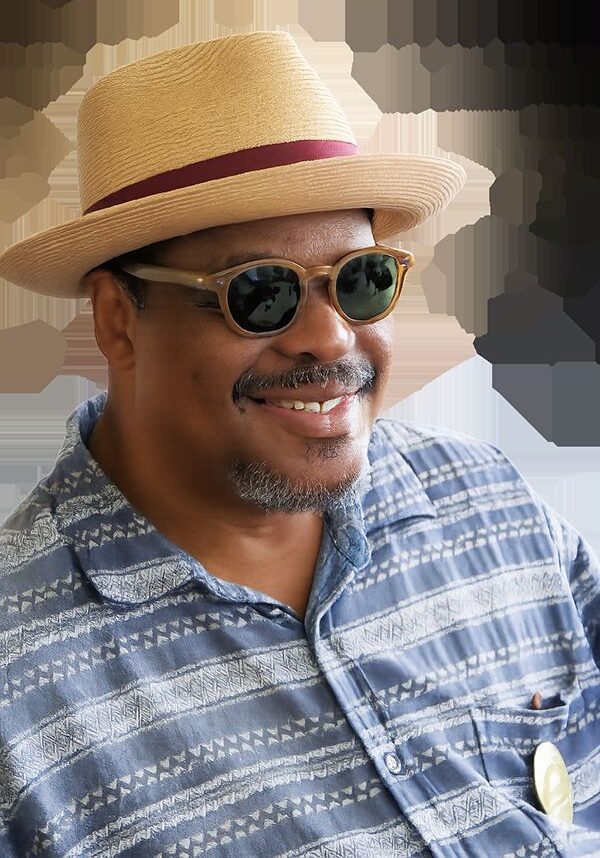
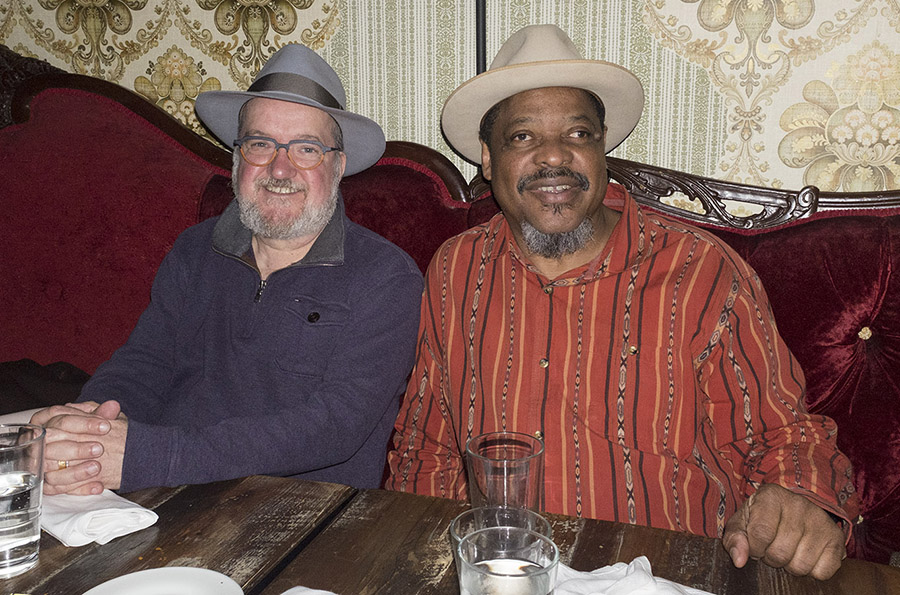
The book also contains a series of historical, previously unpublished photos by world leading blues photographers: Axel Küstner, Paul Kennedy, Bibiana Huang Matheis, Dexter Hodges, Michael G. Stewart, Julie Fox, Myron Samuels, Fernando Sandoval, the John Cephas Archives, the Travellin’ Blues Workshop Archives, Augusta Blues Week Archives, and the Smithsonian Folklife Archives